Home > FactsHistory > The Pineapple was a symbol of hospitality

The Pineapple was a Symbol of hospitality

Wether gifted to friends and visitors, presented at social gatherings or captured in architecture and decoration: The pineapple has been a sign of hospitality and luxury since hundreds of years. 

facts-pineapple-symbol-hospitality

In colonial America, dating back to the 17th century, pineapples took on a unique and delightful role as symbols of hospitality.

These tropical fruits were not only cherished for their delectable flavor but also for the warmth and welcoming spirit they represented. Pineapples were considered a luxury and rarity, making them the perfect emblem for expressing hospitality to guests.

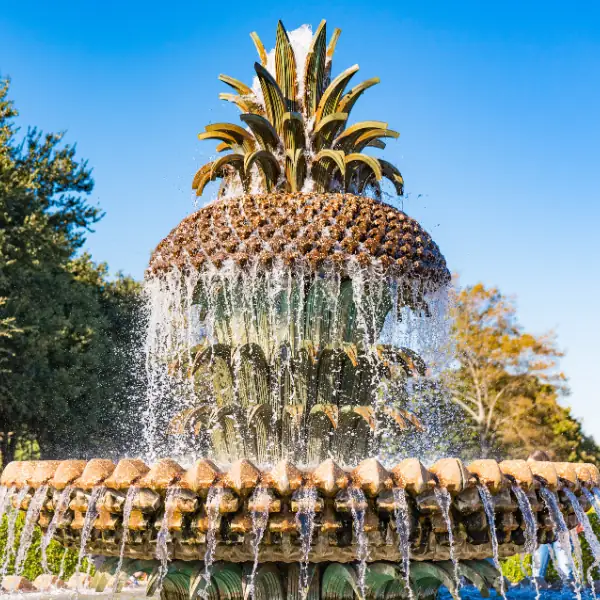
The popularity of pineapples as symbols of hospitality had a profound impact on architecture and decor during that time. Pineapple motifs were carved into gateposts, integrated into the design of door knockers, and featured in various forms of art and decoration, especially in the Southern United States. This tradition dates back to the 17th century, and these ornamental pineapples served as a clear and inviting message to visitors, signaling that they were genuinely welcome in the home.

Whenever colonial hosts presented a pineapple at a gathering or dinner party, it conveyed their generosity and their sincere desire to ensure that their guests felt valued and cherished. Serving pineapple became a gesture of goodwill, a tradition that continued into the 18th and 19th centuries, and an enchanting way to enhance social occasions.

This tradition of using pineapples as symbols of hospitality is closely associated with the concept of “Southern hospitality” in the United States. Even today, this tradition remains a prominent part of Southern culture, and pineapple symbols and motifs can still be found in various forms of art, architecture, and decor throughout the American South. The history of pineapples as a welcoming symbol continues to influence hospitality and aesthetics in various parts of the world.

The pineapple was a coveted status symbol, reaching prices of almost 10,000 euros per fruit.

In Europe, during the 17th and 18th centuries, the pineapple became a powerful status symbol, signifying wealth, luxury, and prestige. The arrival of pineapples in Europe can be traced back to the voyages of Christopher Columbus and subsequent exploration of the Americas in the 1490s. As Europeans first encountered this exotic fruit in the Caribbean, they were immediately captivated by its unique appearance, delightful flavor, and scarcity in their home continent.

One notable encounter with the pineapple took place in 1660 when King Charles II of England was presented with a pineapple, believed to be the first grown in England, by his royal gardener, John Rose. The event marked a significant moment in the pineapple’s history as a status symbol in Europe. The pineapple, symbolizing rarity and luxury, was a testament to John Roses horticultural achievements and the king’s esteem.
The artist Hendrick Danckerts captured this historic scene on canvas in 1675. The picture is called Charles II Presented with a Pineapple and belongs to the Royal Collection Trust.

hendrick-danckerts-pineapple-gardener

The rarity of pineapples in Europe, coupled with the difficulties of cultivation in non-tropical climates, made them a symbol of opulence. Pineapples became the ultimate luxury item, as only the wealthiest individuals could afford to grow or import them. In fact, a curious practice emerged during this era, where individuals would rent pineapples for special occasions to display their social standing. Pineapple rental businesses flourished, allowing people to temporarily showcase this exotic fruit at grand events and gatherings, emphasizing their affluence.

In many European countries, such as France, England, and the Netherlands, the pineapple was celebrated as a true delicacy, reserved for the elite and nobility.

In the 17th century, the pineapple’s image as a status symbol was further solidified as European gardeners and horticulturists attempted to cultivate this tropical fruit in hothouses and greenhouses. These specialized structures required substantial resources and expertise, adding to the allure of the pineapple as a symbol of wealth and power.

The pineapple’s status as a symbol of affluence extended beyond consumption. It was often used in grand feasts, banquets, and decorative displays during lavish gatherings, where the mere presence of pineapples on the dining table would signify the host’s social standing. Elaborate centerpieces, known as “pineapple tables,” featured the fruit as a focal point and were accompanied by other exquisite delicacies, reflecting the extravagance of the event.

In the realm of art and design, pineapples were incorporated into various forms of decor, including furniture, textiles, and architectural elements, to convey a sense of opulence and taste. Pineapple motifs and sculptures adorned palaces, gardens, and grand estates, serving as an emblem of prestige and power.

The fascination with pineapples as a status symbol eventually transcended Europe and influenced other parts of the world. The pineapple’s image as a symbol of wealth and luxury is still celebrated today in various forms of art and design, providing a historical context for its enduring appeal and recognition as a fruit that has truly made its mark on the world’s cultural landscape.

Did you know that ...